Written by

Eric Jones
Every creative industry has had its membership moment. The one that's left is the biggest one.
Section


The Pattern Is Hiding in Plain Sight
In 2007, the music industry was selling CDs and individual MP3 downloads. By 2015, Spotify had 20 million paying subscribers. By 2023, that number was over 220 million. An entire industry that built itself on the per-unit transaction, the album sale, the single download, had been completely restructured around recurring access.
The same thing happened to fitness. A decade ago, the standard model was a drop-in class pass or a gym membership with a long cancellation policy. Then Peloton came along and proved that people would pay $44 a month for ongoing access to an experience they loved, and not just pay, but evangelize. Today boutique studios, digital fitness platforms, and in-home equipment companies have all restructured around the monthly member.
It happened to journalism. To podcasting. To video. To software. To gaming. To education.
In every single case, the industry resisted at first. The existing players doubled down on the transaction model. They argued their customers weren't the subscription type. And in every single case, they were wrong, because the desire for recurring access to things you love isn't a niche preference. It's a fundamental human behavior.
The live events industry is the last major entertainment category that hasn't made this shift. And it's about to.
Why Subscriptions Win, Every Time
The appeal of the subscription model isn't just financial, though the financial benefits are significant. It's psychological.
When someone subscribes to something, they're not making a purchase decision. They're making an identity decision. Spotify subscribers don't think of themselves as music customers, they think of themselves as music people. Peloton members don't just own a bike, they belong to a community with a culture, a leaderboard, and a shared language.
That identity layer changes everything about the relationship between a brand and its audience. Subscribers are more loyal, more engaged, and more likely to tell other people about the thing they subscribe to. They don't need to be re-acquired every month. They're already in.
For the business, the math is even more compelling. Recurring revenue creates predictability. Predictability enables investment. Investment enables quality. Quality drives retention. Retention compounds over time into something no per-transaction business can replicate: a base.
Every subscription business in history has discovered the same counterintuitive truth: charging people less per interaction, more reliably, creates a more valuable business than charging them more, once.
The Industries That Got There First
It's worth tracing the path, because the live events category is following the exact same arc.
Music ran on album sales and concert tickets. The streaming model felt threatening and destabilizing. Labels resisted. Artists were skeptical. Then Spotify scaled, royalties stabilized, and the discovery surface for live events, which is what streaming became, drove concert attendance to record highs. The transaction model didn't die; it was supplemented by a recurring access layer that made the whole ecosystem healthier.
Fitness ran on gym memberships that nobody used and class packs that expired. Peloton changed the frame: instead of selling equipment, they sold a membership. The hardware was just the reason to subscribe. SoulCycle, Barry's, Equinox, the entire premium fitness category restructured around monthly access. Retention became the metric, not acquisition.
Media and podcasting ran on advertising and one-time downloads. Substack proved that readers would pay directly for writers they trusted. Patreon proved the same for creators. The per-piece transaction gave way to patron-style ongoing support, because the relationship between a creator and their audience is inherently recurring, not episodic.
Gaming moved from disc sales to Game Pass and PlayStation Plus. Individual game purchases still happen, but the platform layer, the subscription, became where the relationship lived.
In every case, the shift wasn't driven by customers asking for it. It was driven by creators and businesses recognizing that the transaction model was a ceiling, not a floor.
Why Live Events Are the Last Frontier and the Biggest Opportunity
Live events are, in many ways, the most natural category for membership. More natural than music streaming. More natural than fitness. More natural than media.
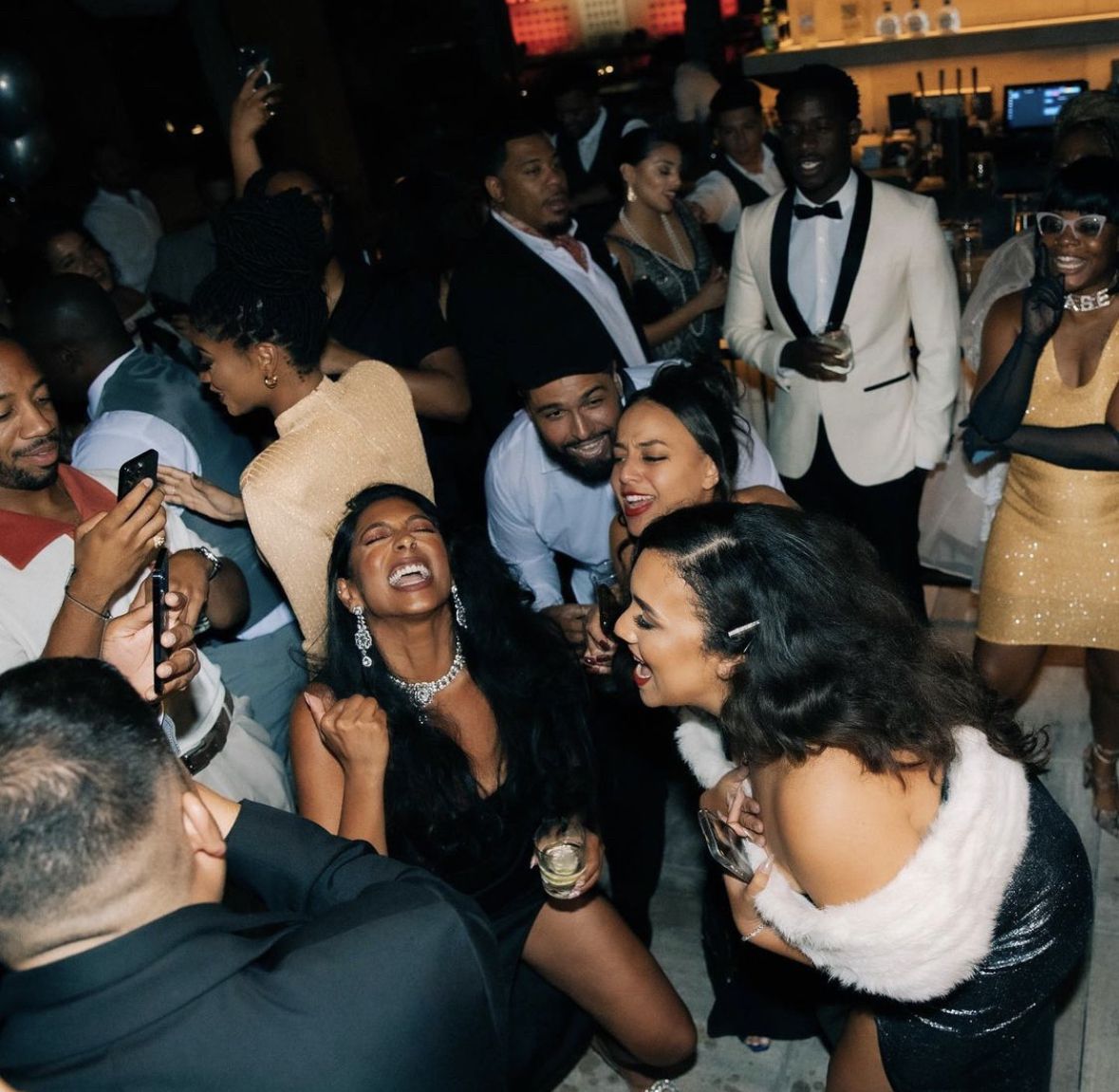
Here's why: live events are already community experiences. When you attend an event, a curated party, a cultural gathering, a recurring showcase, you're not consuming content alone. You're doing something social. You're showing up to be with your people. The identity layer that subscriptions create is already embedded in the experience itself.
Event attendees who love a particular producer's events don't think of themselves as customers. They think of themselves as part of that world. They show up to the same events. They bring the same friends. They're already behaving like members, they just haven't been given a membership.
The gap between the behavior and the product has been a structural accident. There was no platform that made it easy for an event producer to monetize that loyalty through recurring access instead of per-ticket sales. The tools didn't exist. So the industry defaulted to the transaction model not because it was better, but because it was the only option.
What the Live Events Membership Era Looks Like
Imagine a world where your favorite event producer offers a membership, not just access to events, but belonging to the community they've built.
As a member, you're in before the general public knows an event is happening. Your membership covers access to the regular rotation, with options to add on for special events. You're not a ticket buyer, you're a stakeholder in the culture being created.
For producers, the membership era means waking up on the first of every month with revenue already in the bank. It means planning events from security rather than anxiety. It means being able to invest in quality rather than cutting corners to hit a margin. It means building a business that compounds, where each new member adds to a base that doesn't reset.
This is the world Memberly is building toward. The first subscription platform purpose-built for live event producers, giving them the tools, the infrastructure, and the business model to make the shift from transaction to membership.
The Window Is Open, But Not Forever
In every industry that has gone through this transition, there's a window. The producers, creators, and brands that step into the membership model early capture loyalty that becomes nearly impossible to displace. They become the default. The ones that wait find themselves competing for an audience that's already committed to someone else.
In music, the first streaming-native artists built audiences that the holdouts spent years trying to catch up to. In fitness, the studios that built digital membership offerings during the pandemic locked in customers who never went back to the old model.
The same pattern will play out in live events. The producers who offer membership first in their city, in their genre, in their niche, will own the most engaged audiences in their market before their competitors even understand what's happening.
The subscription economy came for every creative industry it touched. Live events are next.
The only question is whether you're the one who builds a membership before someone else does it for you.
Build your membership on Memberly
Memberly is the first subscription platform built for live event producers. Join the event producers who are building the membership era of live events, before everyone else catches on.