I Built a 50,000-Person Community, Ran 400 Events, and Generated $2M in Revenue — Here's the One Thing I'd Do Differently
I Built a 50,000-Person Community, Ran 400 Events, and Generated $2M in Revenue — Here's the One Thing I'd Do Differently
Written by

Eric Jones
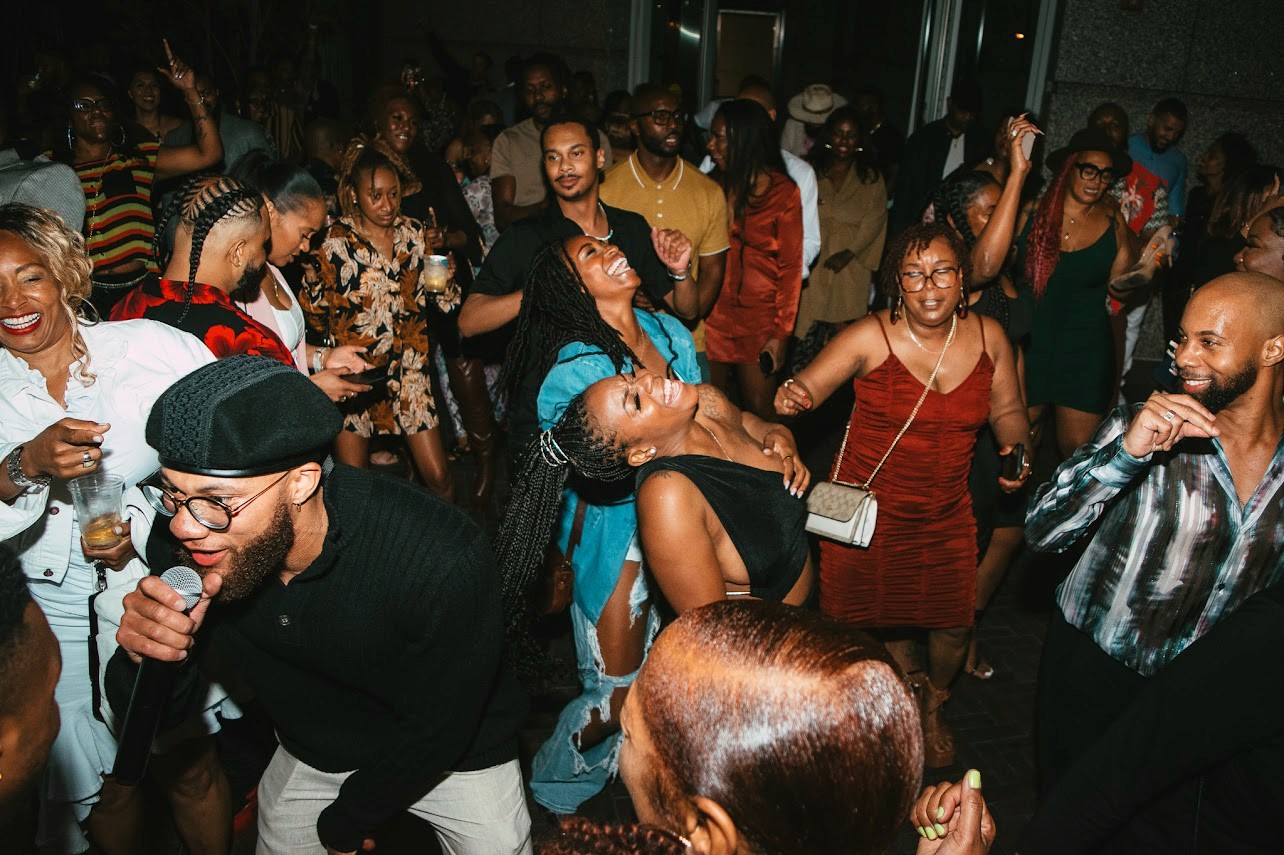
A founder's honest look at what the traditional event model gets wrong and what the future looks like.
In this post:
In this post:
Section
It Looked Like Success From the Outside
By most measures, things were going well.
I had built one of the most active professional communities in Los Angeles, 50,000 members, a reputation for events that actually delivered, and a track record of over 400 events across multiple years. We had generated more than $2 million in revenue from events alone. People showed up consistently. The brand was real.
But every month, I found myself doing the same thing: starting over.
New event. New announcement. New marketing push. New anxiety. New hope that this one would sell out in time to cover the costs that were already committed. And when it did great, we'd be fine this month. When it didn't quite get there, we'd scramble.
For a long time, I told myself that was just how the business worked. That volatility was the nature of live events. That if I was good enough at marketing, consistent enough with the brand, and relentless enough with the work, the math would eventually smooth itself out.
It didn't. Because the math was never the problem. The model was.
The 50,000-Person Community That Didn't Pay Recurring Revenue
Here's the thing that took me too long to see clearly: I had built something genuinely rare.
A community of 50,000 engaged people in a single market, centered around a consistent brand experience, that's an asset most producers spend their entire careers trying to build. The loyalty was real. These weren't passive followers; they were people who showed up, brought friends, and identified with what we were creating together.
And yet, from a business perspective, I was treating that community like a list of potential ticket buyers rather than what it actually was: a membership waiting to happen.
Every event was a new ask. "Will you come to this one?" Not "You're part of this, here's what's happening next." Every interaction was transactional. And because the relationship was transactional, the revenue was transactional too, unpredictable, uncompounding, unsustainable at scale.
I had the audience. I was missing the model.
What the Volatility Actually Looked Like
I want to be specific here, because I think a lot of producers in similar positions recognize the surface-level success and miss the underlying fragility.
A great month looked like this: event sells out early, venue deposit covered with room to spare, talent fees paid, and enough margin to reinvest in the next one. Energy is high. You feel like you're building something.
A hard month looked like this: ticket sales lag. You double down on marketing spend. You extend the early-bird window. You make some calls. You get there, barely, but the margin you planned to reinvest is gone. The next event starts with nothing in the bank allocated to it.
Now imagine living in that cycle across 400 events. Some months felt like momentum. Others felt like treading water. And the frustrating part was that the community wasn't the variable, they were loyal and consistent. The variable was the model that forced me to re-earn my revenue from scratch every single time.
The One Thing I'd Do Differently
If I were starting over, same city, same network, same creative vision, the first thing I'd build isn't a better event. It's a membership.
Not because membership is a more passive business. It isn't. You still have to deliver incredible experiences. You still have to show up consistently and earn the loyalty of your community every single time they walk through the door.
But membership changes what you're building toward. Instead of a series of one-off moments, you're building a relationship with compounding value. Your members don't just attend your events, they invest in your brand. They identify with it. They bring people in. They stay.
And on the business side, the difference is transformative. With a membership model, you start every month knowing exactly what your baseline revenue is before you've announced a single event. That changes everything about how you plan, what you're willing to invest in, and how much creative risk you can take.
The best headliner you've always wanted to book? Suddenly viable.
The venue upgrade you've been putting off? Now fundable.
The production quality that separates a good event from an unforgettable one? You can afford to build toward it because the floor is funded.
Why I Built Memberly
When I started looking for a platform that could support this shift from a ticketing-first model to a membership-first model, I found tools built for gyms, content creators, and software companies. Nothing built for live event producers. Nothing that understood the specific dynamics of the business: the community management, the event operations, the ticket fulfillment, the producer-attendee relationship.
So I built it.
Memberly is what I wish had existed when I was running 400 events and wondering why the math never fully worked the way it should have. It's a platform that lets event producers offer subscription access to their events, own their audience relationships, and build a recurring revenue base, without paying per-ticket platform fees to a marketplace that doesn't care about their community.
It's not a ticketing platform with a membership feature bolted on. It's a membership platform that understands live events from the inside.
What I Want for Every Producer Reading This
The live events space is full of incredibly talented, hardworking people who are building real communities and delivering real value. Most of them are grinding through a model that's structurally stacked against them and attributing the difficulty to their own limitations rather than to the system they're operating in.
You don't need to run more events. You don't need a bigger Instagram following. You don't need a better ticketing platform.
You need a model that lets the community you've already built actually support the business you're trying to grow.
That's what membership does. And that's what Memberly is here to make possible.
If any part of this story sounds familiar, the loyal audience, the recurring volatility, the sense that you're working incredibly hard for something that never quite compounds, I'd love for you to take a closer look at what we're building.
Explore Memberly for Event Producers
Eric Jones is the founder of Memberly and a Los Angeles-based event producer who has built a 50,000-person community and produced 400+ events generating over $2M in revenue. He built Memberly to solve the model problem he experienced firsthand.
It Looked Like Success From the Outside
By most measures, things were going well.
I had built one of the most active professional communities in Los Angeles, 50,000 members, a reputation for events that actually delivered, and a track record of over 400 events across multiple years. We had generated more than $2 million in revenue from events alone. People showed up consistently. The brand was real.
But every month, I found myself doing the same thing: starting over.
New event. New announcement. New marketing push. New anxiety. New hope that this one would sell out in time to cover the costs that were already committed. And when it did great, we'd be fine this month. When it didn't quite get there, we'd scramble.
For a long time, I told myself that was just how the business worked. That volatility was the nature of live events. That if I was good enough at marketing, consistent enough with the brand, and relentless enough with the work, the math would eventually smooth itself out.
It didn't. Because the math was never the problem. The model was.
The 50,000-Person Community That Didn't Pay Recurring Revenue
Here's the thing that took me too long to see clearly: I had built something genuinely rare.
A community of 50,000 engaged people in a single market, centered around a consistent brand experience, that's an asset most producers spend their entire careers trying to build. The loyalty was real. These weren't passive followers; they were people who showed up, brought friends, and identified with what we were creating together.
And yet, from a business perspective, I was treating that community like a list of potential ticket buyers rather than what it actually was: a membership waiting to happen.
Every event was a new ask. "Will you come to this one?" Not "You're part of this, here's what's happening next." Every interaction was transactional. And because the relationship was transactional, the revenue was transactional too, unpredictable, uncompounding, unsustainable at scale.
I had the audience. I was missing the model.
What the Volatility Actually Looked Like
I want to be specific here, because I think a lot of producers in similar positions recognize the surface-level success and miss the underlying fragility.
A great month looked like this: event sells out early, venue deposit covered with room to spare, talent fees paid, and enough margin to reinvest in the next one. Energy is high. You feel like you're building something.
A hard month looked like this: ticket sales lag. You double down on marketing spend. You extend the early-bird window. You make some calls. You get there, barely, but the margin you planned to reinvest is gone. The next event starts with nothing in the bank allocated to it.
Now imagine living in that cycle across 400 events. Some months felt like momentum. Others felt like treading water. And the frustrating part was that the community wasn't the variable, they were loyal and consistent. The variable was the model that forced me to re-earn my revenue from scratch every single time.
The One Thing I'd Do Differently
If I were starting over, same city, same network, same creative vision, the first thing I'd build isn't a better event. It's a membership.
Not because membership is a more passive business. It isn't. You still have to deliver incredible experiences. You still have to show up consistently and earn the loyalty of your community every single time they walk through the door.
But membership changes what you're building toward. Instead of a series of one-off moments, you're building a relationship with compounding value. Your members don't just attend your events, they invest in your brand. They identify with it. They bring people in. They stay.
And on the business side, the difference is transformative. With a membership model, you start every month knowing exactly what your baseline revenue is before you've announced a single event. That changes everything about how you plan, what you're willing to invest in, and how much creative risk you can take.
The best headliner you've always wanted to book? Suddenly viable.
The venue upgrade you've been putting off? Now fundable.
The production quality that separates a good event from an unforgettable one? You can afford to build toward it because the floor is funded.
Why I Built Memberly
When I started looking for a platform that could support this shift from a ticketing-first model to a membership-first model, I found tools built for gyms, content creators, and software companies. Nothing built for live event producers. Nothing that understood the specific dynamics of the business: the community management, the event operations, the ticket fulfillment, the producer-attendee relationship.
So I built it.
Memberly is what I wish had existed when I was running 400 events and wondering why the math never fully worked the way it should have. It's a platform that lets event producers offer subscription access to their events, own their audience relationships, and build a recurring revenue base, without paying per-ticket platform fees to a marketplace that doesn't care about their community.
It's not a ticketing platform with a membership feature bolted on. It's a membership platform that understands live events from the inside.
What I Want for Every Producer Reading This
The live events space is full of incredibly talented, hardworking people who are building real communities and delivering real value. Most of them are grinding through a model that's structurally stacked against them and attributing the difficulty to their own limitations rather than to the system they're operating in.
You don't need to run more events. You don't need a bigger Instagram following. You don't need a better ticketing platform.
You need a model that lets the community you've already built actually support the business you're trying to grow.
That's what membership does. And that's what Memberly is here to make possible.
If any part of this story sounds familiar, the loyal audience, the recurring volatility, the sense that you're working incredibly hard for something that never quite compounds, I'd love for you to take a closer look at what we're building.
Explore Memberly for Event Producers
Eric Jones is the founder of Memberly and a Los Angeles-based event producer who has built a 50,000-person community and produced 400+ events generating over $2M in revenue. He built Memberly to solve the model problem he experienced firsthand.
The truly Limitless design subscription.
Say goodbye to expensive freelancers, and hello to limitless, lightning fast design.